Join the Ford Foundation and Project Syndicate during the United Nations General Assembly High-Level Week for three sessions examining how the UN can be reimagined for a rapidly changing world and what the future of global governance could look like more broadly.
Remaking the UN
Speakers
-
Heba Aly
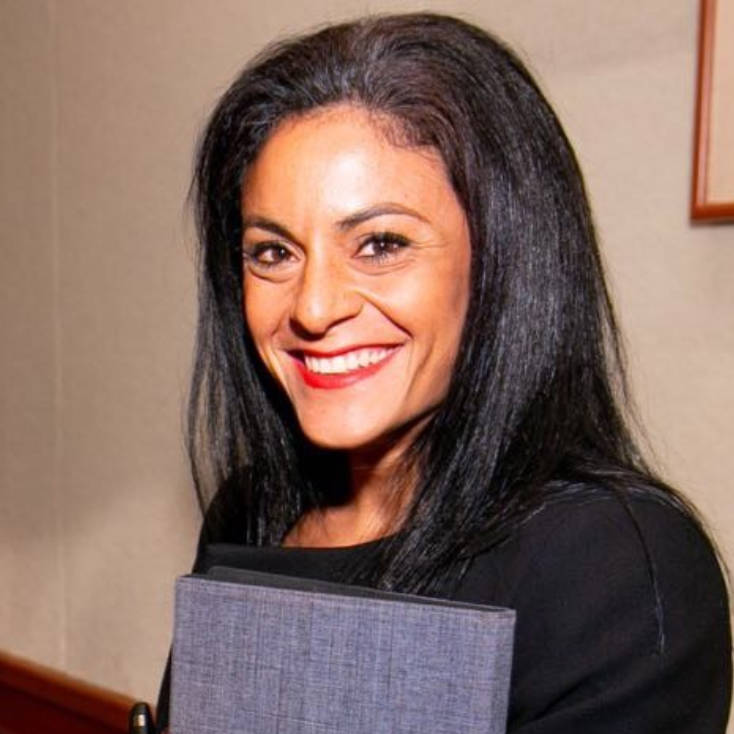
Heba Aly
Director of Article 109
-
Comfort Ero
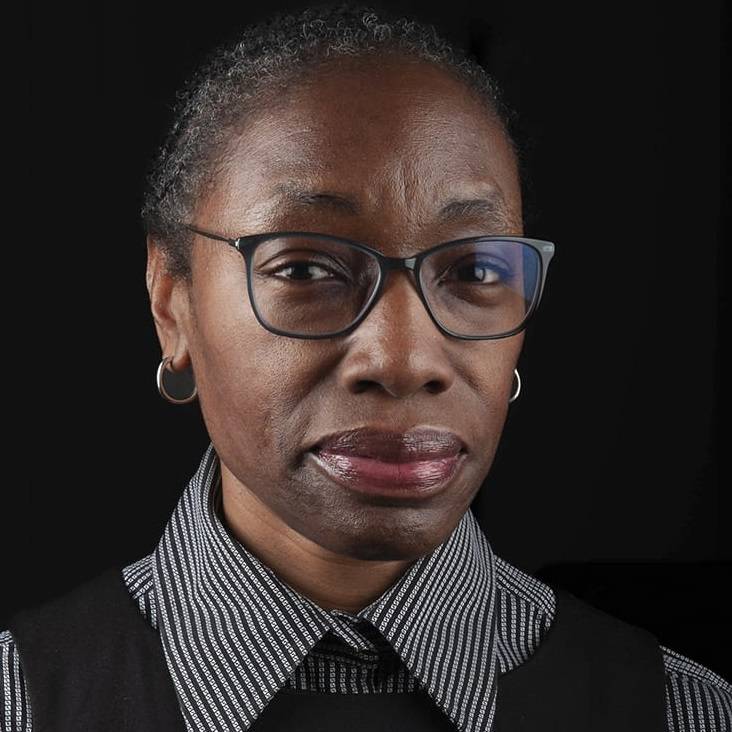
Comfort Ero
President and CEO of the International Crisis Group
-
Jayati Ghosh
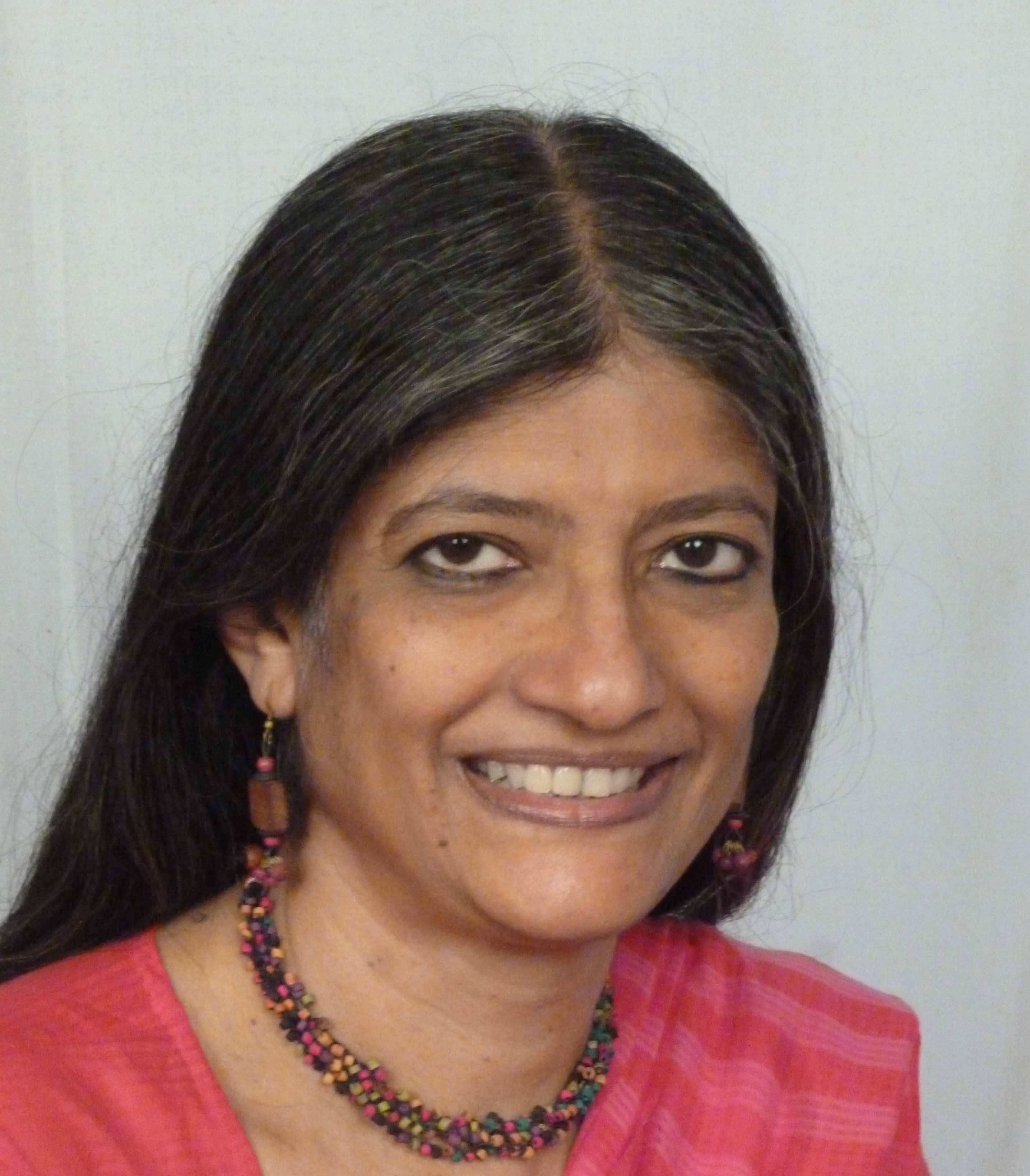
Jayati Ghosh
Professor of Economics at the University of Massachusetts Amherst
-
Susana Malcorra
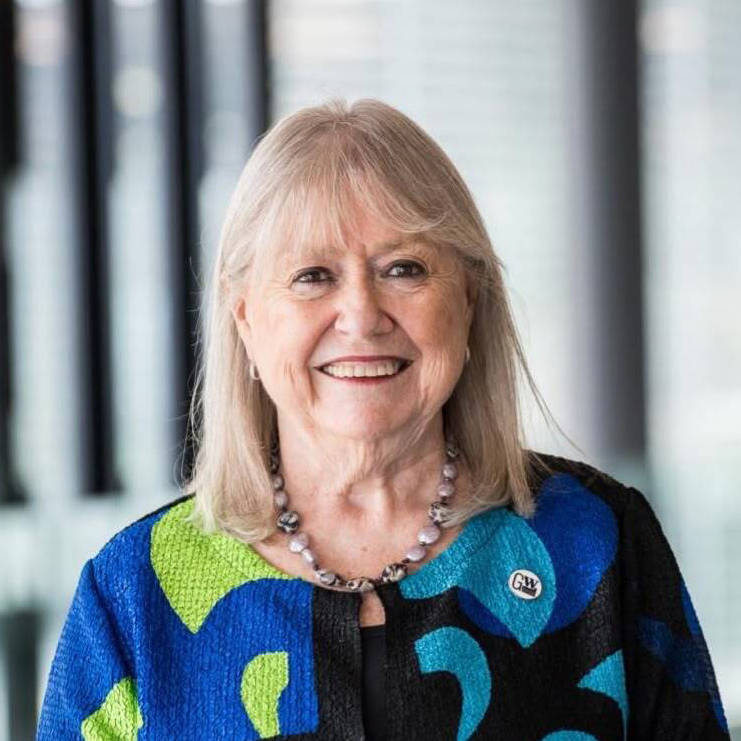
Susana Malcorra
Former Foreign Minister of Argentina, Former Chief of Staff to the UN Secretary-General, and Founder and President of GWL Voices
-
Enrique Javier Ochoa Martínez
Enrique Javier Ochoa Martínez
Undersecretary for Multilateral Affairs and Human Rights of Mexico
-
Natalie Samarasinghe
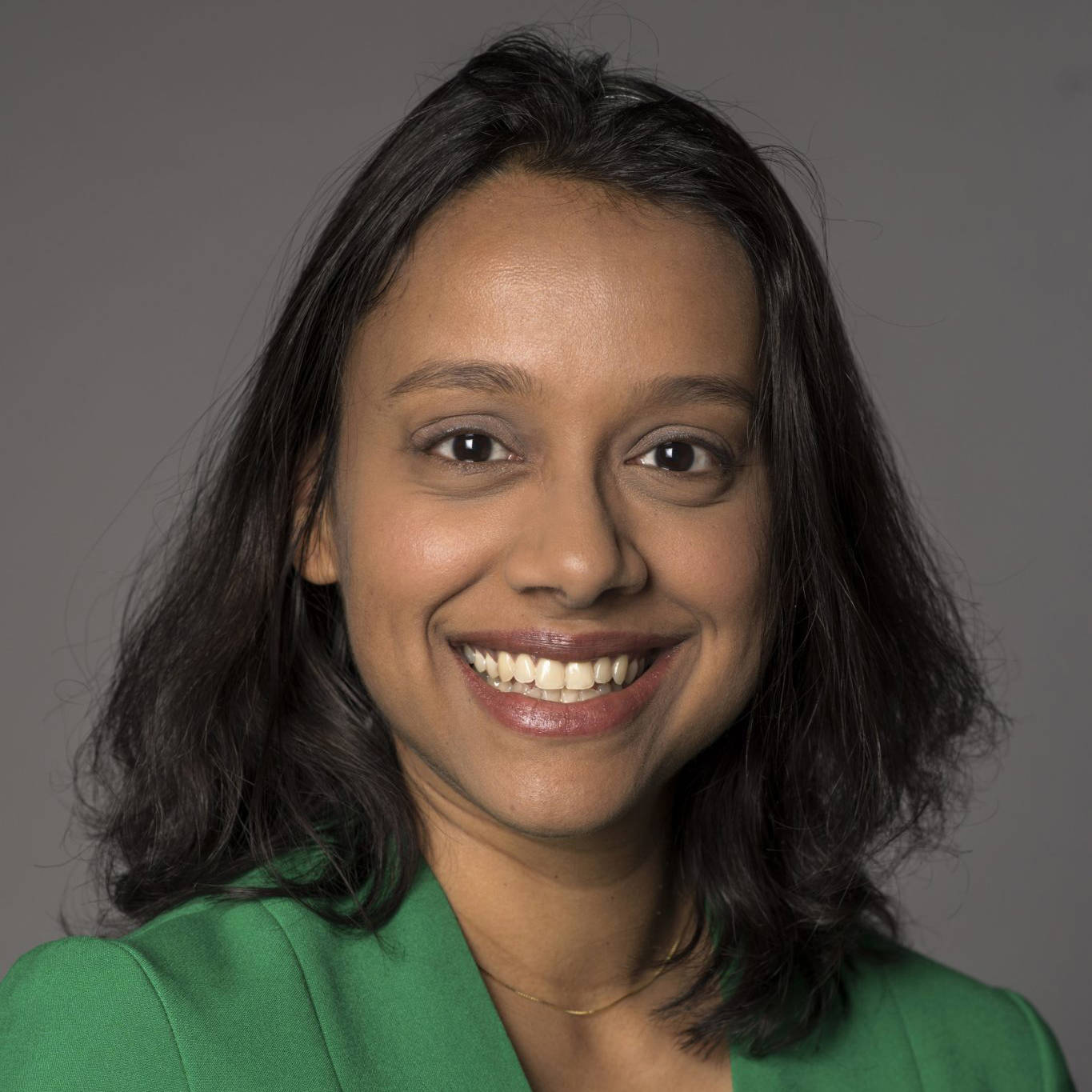
Natalie Samarasinghe
Co-Founder of 1 for 8 Billion and Executive Director of Vibe Fund
-
Anne-Marie Slaughter
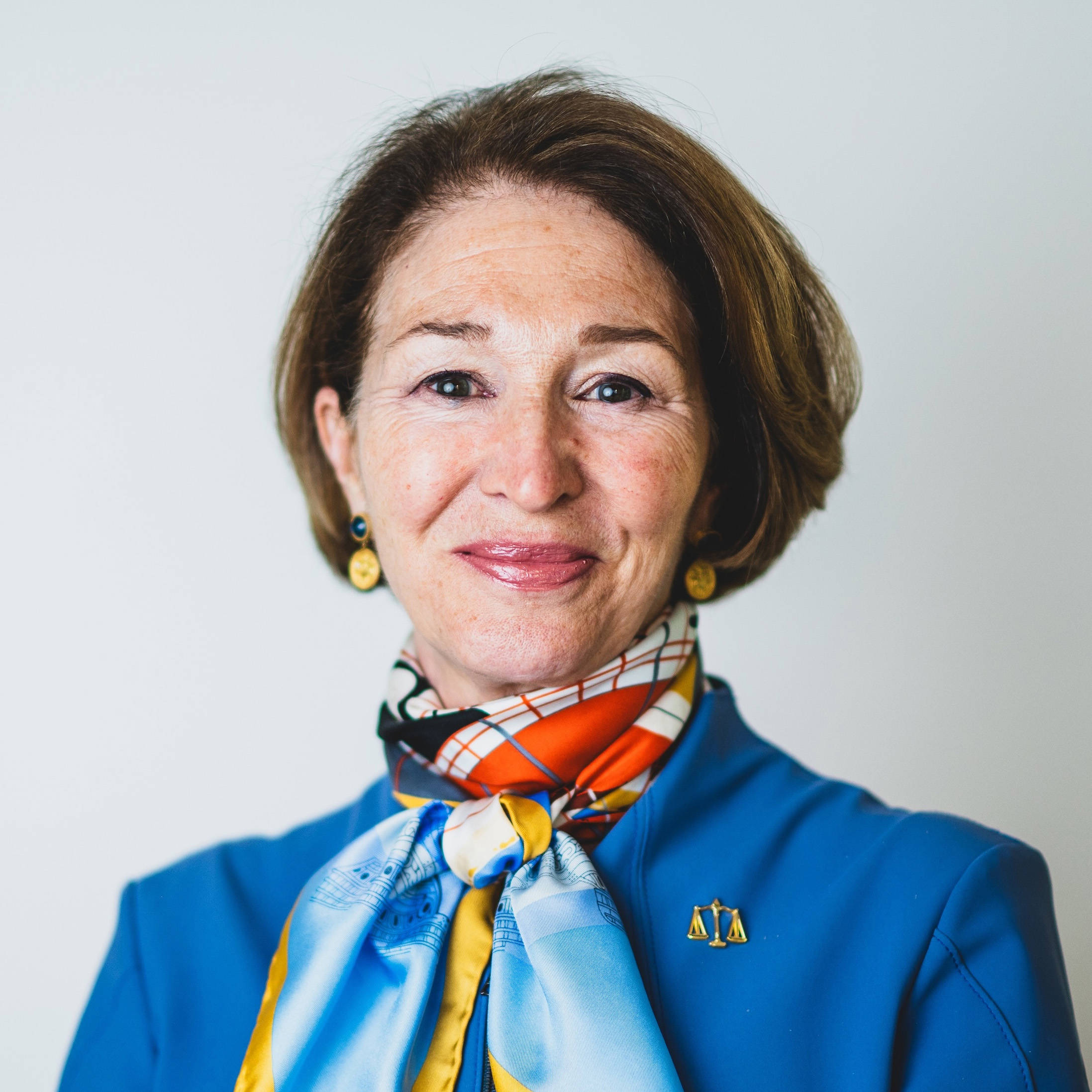
Anne-Marie Slaughter
Senior Advisor at New America and Incoming Dean of the School of Public Policy at LSE
-
Shamala Kandiah Thompson
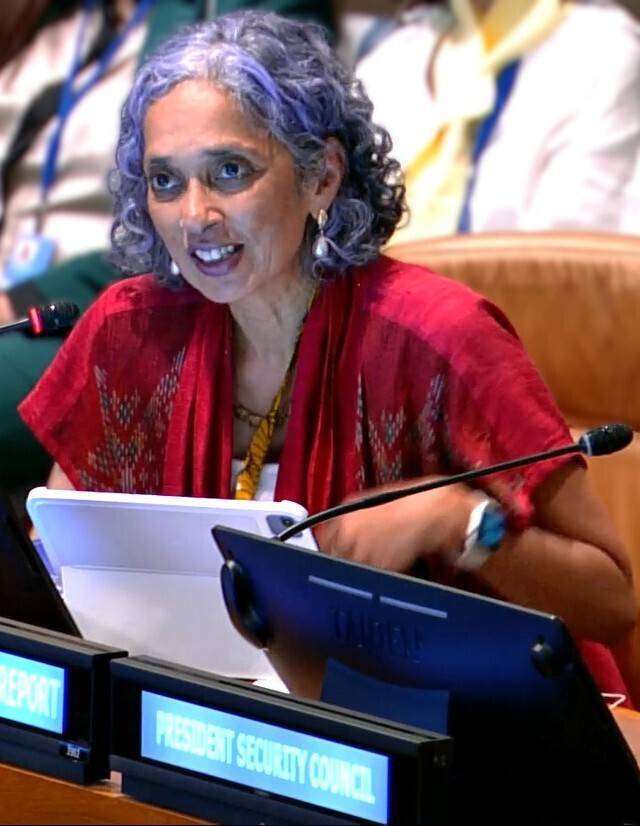
Shamala Kandiah Thompson
Executive Director at the Security Council Report
-
Nana Oye Bampoe Addo
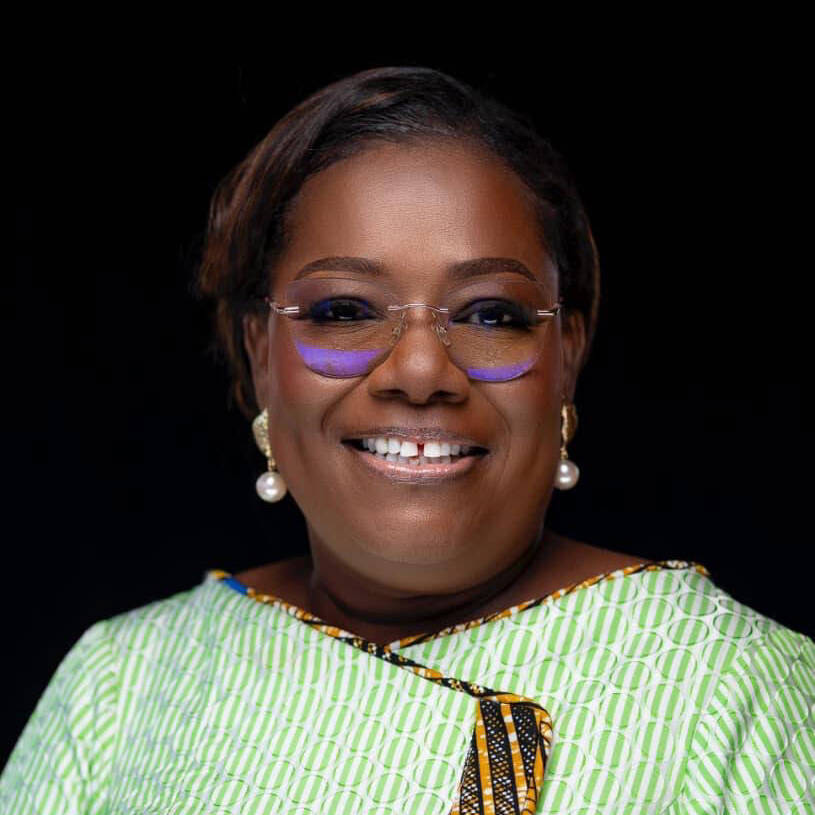
Nana Oye Bampoe Addo
Deputy Chief of Staff for Finance and Administration of the Republic of Ghana
-
Heather Gerken
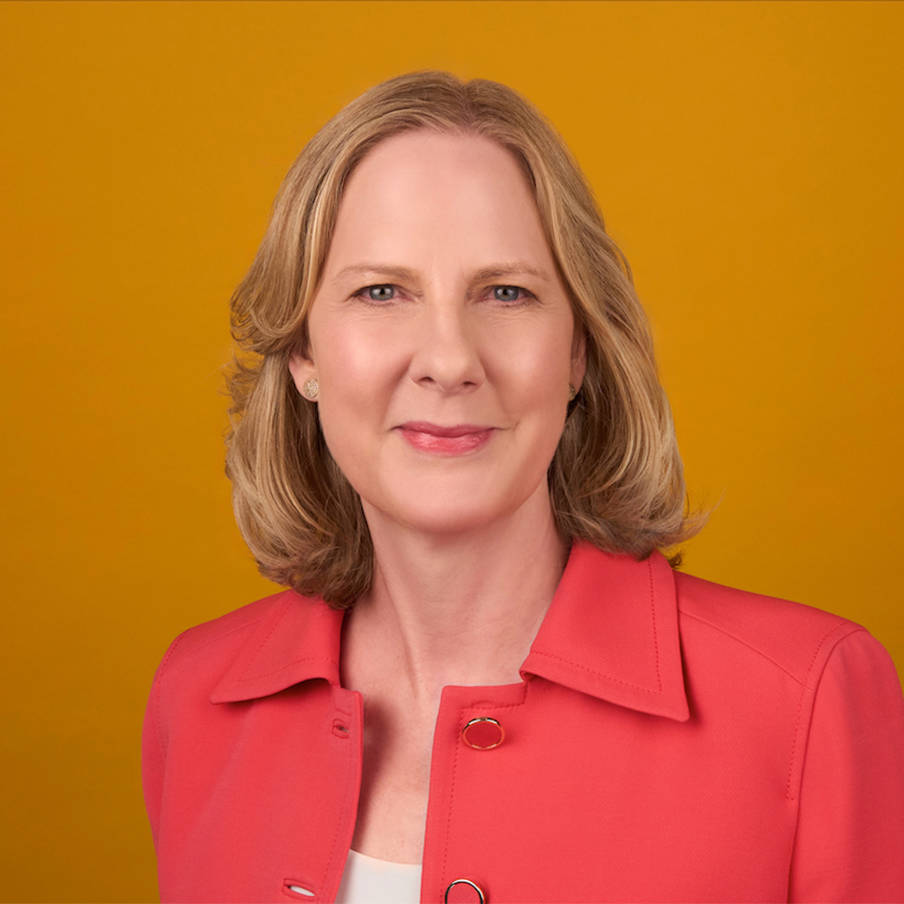
Heather Gerken
President of the Ford Foundation
-
Hibak Kalfan
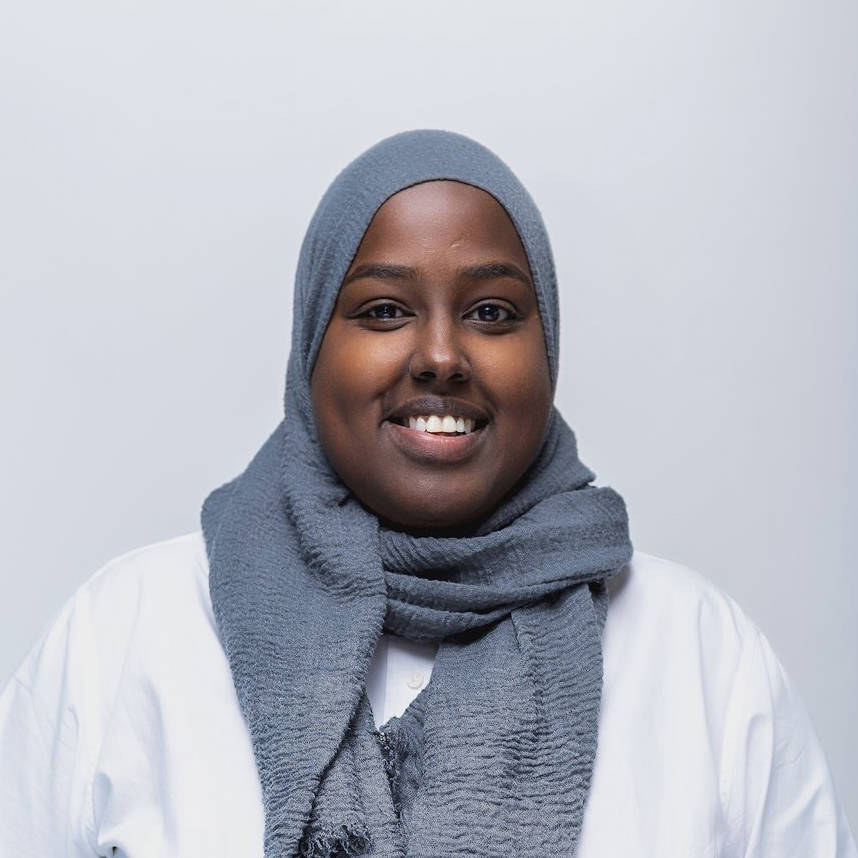
Hibak Kalfan
Executive Director at NEAR
-
Philipp Schönrock
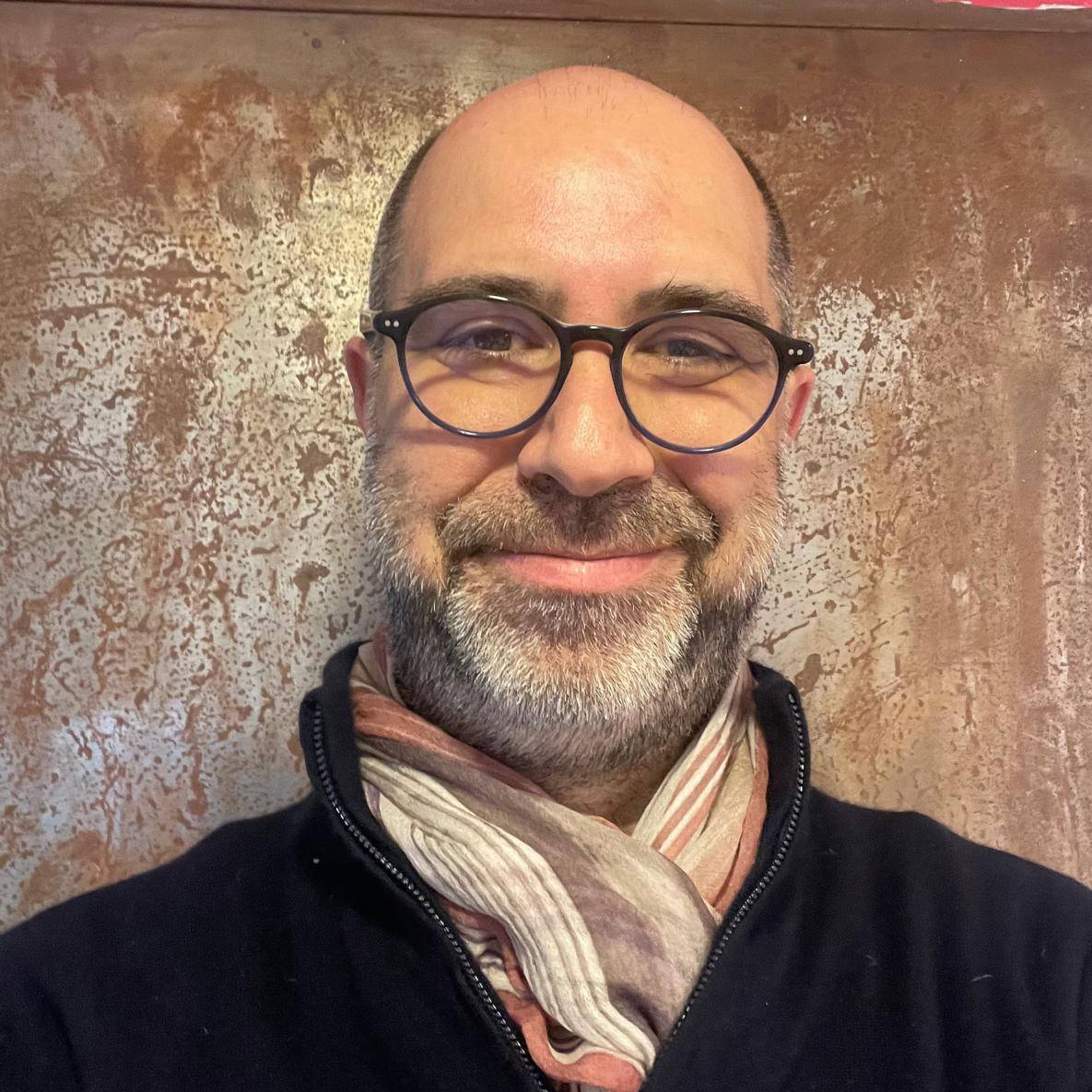
Philipp Schönrock
Director of Cepei
Agenda
| Moderator: Jo Coburn, Presenter | |
| 4:00 PM | Welcome Remarks
|
| Session One: The UN and Global Order As a key institution of global governance for many decades, the United Nations has long had to adapt in the face of new challenges and changing global conditions, and the current moment is no exception. With the broader landscape of norms, rules, and institutions that underpin global governance increasingly contested, what roles should the UN be seeking to play, and how should it do so? |
|
| 4:15 PM | Panel Discussion
|
| 4:55 PM | Break |
| Session Two: The UN and Its Parts The UN is far from a monolith. Fulfilling its purpose within the broader global-governance landscape depends on different parts of the system carrying out different functions, the most high-profile of which is the office of the Secretary-General. The question, then, is what role the next Secretary-General should play vis-à-vis the rest of the UN system and UN member states, and what implications this will have for the institution’s place in the broader global landscape. |
|
| 5:20 PM | Panel Discussion
|
| Session Three: The UN and Its Members The UN is ultimately composed of its member states, which are themselves key players not only in the UN but also in their own projects of world-making, which in turn implicate other international institutions, countries, and coalitions. How does the process of remaking the UN intersect with and sit alongside other “remaking” efforts led by member states and geared toward addressing global challenges? |
|
| 6:00 PM | Fireside Chat
|
Our Partners

What they are saying
-
Many people here at the bank agree that this was the most professional looking, well moderated, and entertaining event we have supported or participated in... The speakers were top-level and highly knowledgable throughout, and the whole design was very slick.
Dirk Heilmann